


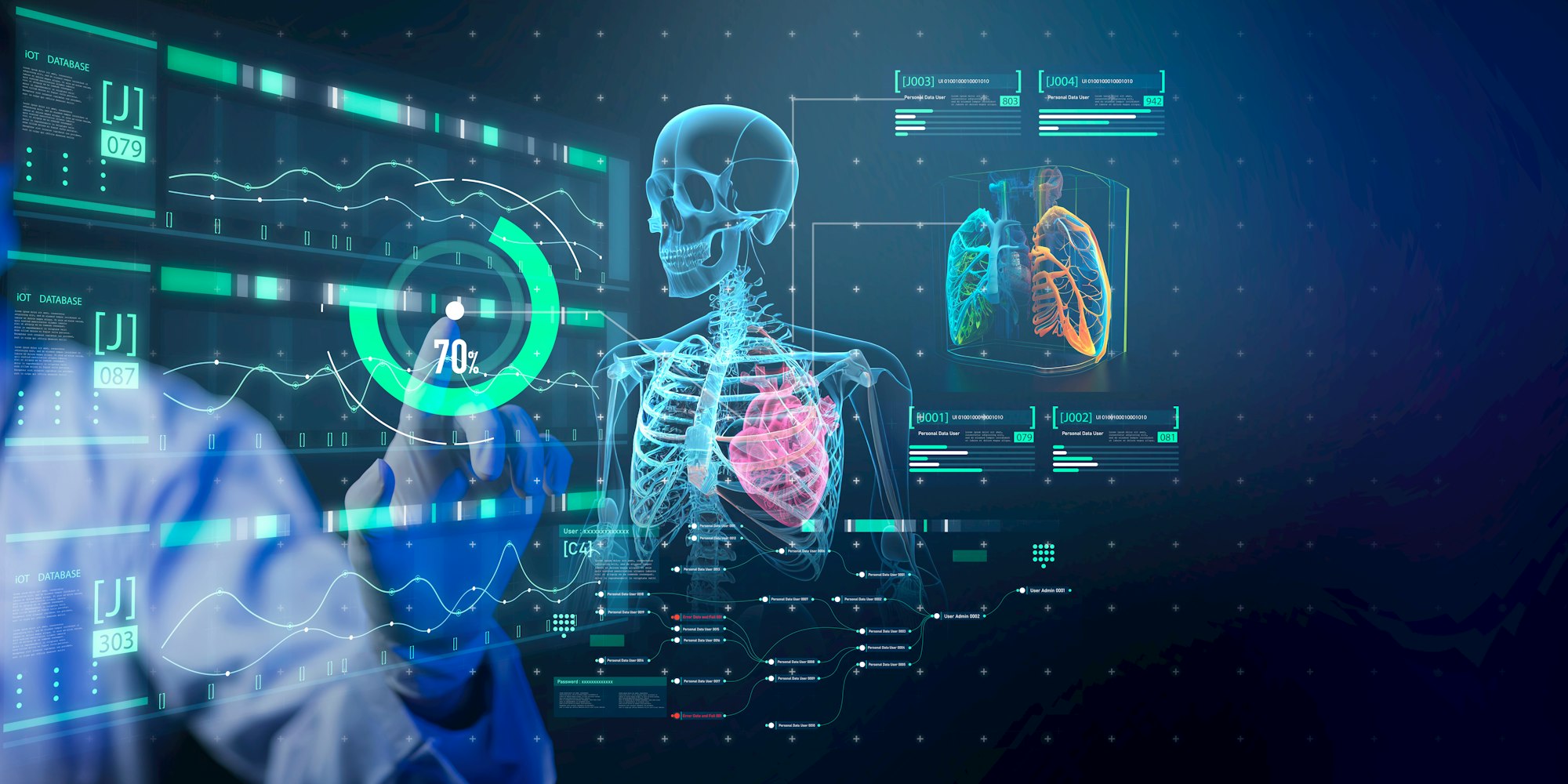
The integration of Artificial Intelligence (AI) in Accountable Care Organizations (ACOs) is a pivotal development in the healthcare landscape, particularly in the realm of catastrophic care management. This domain encompasses traumatic brain injuries, spinal cord injuries, amputations, burns, and multiple traumas, which necessitate prompt and precise attention. The incorporation of AI in ACOs has the potential to improve patient outcomes, enhance operational efficiency, and reduce costs. A comprehensive analysis of AI-driven catastrophic care management reveals that this technology is an indispensable tool for healthcare providers seeking to deliver high-quality care.
The foundation of AI implementation in ACOs is built upon a sophisticated framework that combines advanced analytics, machine learning, and intelligent automation. This framework enables healthcare providers to process complex medical information in real-time, make data-driven clinical decisions, coordinate care across multiple providers, and optimize resource allocation. Recent statistics indicate that ACOs implementing AI-driven frameworks have witnessed a 25% improvement in patient outcomes and a 30% reduction in operational costs. These metrics underscore the transformative potential of AI in healthcare, highlighting the imperative for ACOs to harness this technology to remain competitive.
AI-Enhanced ACO Framework: A Paradigm Shift in Healthcare Delivery
The AI-enhanced ACO framework is predicated upon the principles of interoperability, scalability, and security. This framework enables healthcare providers to leverage AI algorithms to analyze vast amounts of data, identify patterns, and make predictions. The implementation of AI-driven frameworks has been shown to reduce readmission rates, improve patient engagement, and enhance care coordination. Furthermore, AI-powered analytics can help ACOs identify high-risk patients, predict disease progression, and develop personalized treatment plans.
The AI-enhanced ACO framework consists of several key components, including data ingestion, data processing, and data analytics. These components work in tandem to provide healthcare providers with real-time insights, enabling them to make informed decisions and deliver high-quality care. The framework also includes machine learning algorithms that can be trained on large datasets to predict patient outcomes, identify high-risk patients, and develop personalized treatment plans.
Transformative Applications in Catastrophic Care Management
Predictive Analytics for Risk Assessment
AI-powered predictive analytics serves as an early warning system, identifying high-risk patients before conditions become critical. A recent study by the Healthcare Information and Management Systems Society (HIMSS) revealed that ACOs using predictive analytics experienced a 35% reduction in emergency hospitalizations, a 42% improvement in early intervention rates, and a 28% decrease in readmission rates. These statistics demonstrate the potential of AI-powered predictive analytics to transform catastrophic care management.
The implementation of predictive analytics in ACOs involves the use of machine learning algorithms to analyze large datasets, including electronic health records (EHRs), claims data, and social determinants of health. These algorithms can identify patterns and predict patient outcomes, enabling healthcare providers to develop personalized treatment plans and intervene early to prevent complications.
Enhanced Care Coordination
The implementation of AI-driven care coordination platforms has revolutionized how healthcare teams collaborate. These systems facilitate real-time information sharing among providers, automated care plan updates, intelligent scheduling and resource allocation, and seamless communication between departments. A case study of Memorial Healthcare System's implementation of an AI-coordinated care platform resulted in a 40% reduction in communication delays, a 45% improvement in treatment plan adherence, and a 32% decrease in medical errors.
Advanced Patient Monitoring and Engagement
Remote Patient Monitoring Systems
AI-enabled continuous monitoring has transformed how ACOs track patient health. Real-time vital sign monitoring, early detection of deteriorating conditions, automated alerts for healthcare providers, and predictive analysis of patient trends are just a few examples of the capabilities of remote patient monitoring systems. Technical implementation involves the use of IoT sensors for data collection, edge computing for real-time processing, cloud-based analytics platform, and HIPAA-compliant data storage.
The implementation of remote patient monitoring systems has been shown to reduce hospital readmissions, improve patient outcomes, and enhance patient engagement. These systems enable healthcare providers to monitor patients remotely, identify potential complications early, and intervene promptly to prevent hospitalizations.
Personalized Care Plans
AI algorithms analyze multiple data points to create individualized treatment strategies, including medical history analysis, genetic predisposition factors, treatment response patterns, and lifestyle and environmental considerations. The development of personalized care plans involves the use of machine learning algorithms to analyze large datasets and identify patterns. These algorithms can predict patient outcomes, identify high-risk patients, and develop personalized treatment plans.
Operational Excellence Through AI Integration
Resource Optimization
AI systems have demonstrated significant improvements in resource management, including a 38% reduction in wait times, a 45% improvement in bed utilization, a 29% decrease in operational costs, and a 33% enhancement in staff scheduling efficiency. The implementation of AI-driven resource optimization involves the use of machine learning algorithms to analyze data and identify patterns.
Quality Metrics and Performance Monitoring
Implementation of AI-driven analytics has enabled real-time performance tracking, automated compliance monitoring, predictive maintenance of medical equipment, and dynamic resource allocation. The use of AI-driven analytics enables healthcare providers to monitor performance in real-time, identify areas for improvement, and develop strategies to optimize resource allocation.
Implementation Challenges and Solutions
Technical Challenges
- Data Integration: Solution involves the implementation of standardized APIs, regular system updates and maintenance, and robust data governance frameworks.
- Security Compliance: Solution involves the implementation of HIPAA-compliant infrastructure, end-to-end encryption, and regular security audits.
Organizational Challenges
- Staff Training: Solution involves the implementation of comprehensive AI literacy programs, regular skill assessment and updates, and hands-on training sessions.
- Change Management: Solution involves the implementation of a phased implementation approach, regular stakeholder communication, and measurable success metrics.
Future Outlook and Recommendations
For Healthcare Executives
- Strategic Planning: Allocate resources for AI implementation, develop clear ROI metrics, and create a long-term technology roadmap.
- Investment Priorities: Focus on scalable solutions, prioritize interoperability, and ensure regulatory compliance.
For Technical Leaders
- Infrastructure Development: Build robust data architecture, implement secure cloud solutions, and ensure system scalability.
- Innovation Focus: Explore emerging AI technologies, develop custom solutions, and maintain competitive advantage.
Conclusion
The integration of AI in ACOs represents a significant leap forward in catastrophic care management. Organizations that successfully implement these technologies will lead the transformation of healthcare delivery, achieving superior patient outcomes while optimizing operational efficiency. The key to success lies in strategic planning, careful implementation, and continuous adaptation to evolving healthcare needs. To learn more about implementing AI solutions in your healthcare organization, contact Augusta Hitech's healthcare technology experts today and discover how AI can transform your catastrophic care management.
#AI #AccountableCareOrganizations #CatastrophicCareManagement #ImprovePatientOutcomes #HealthcareInnovation