


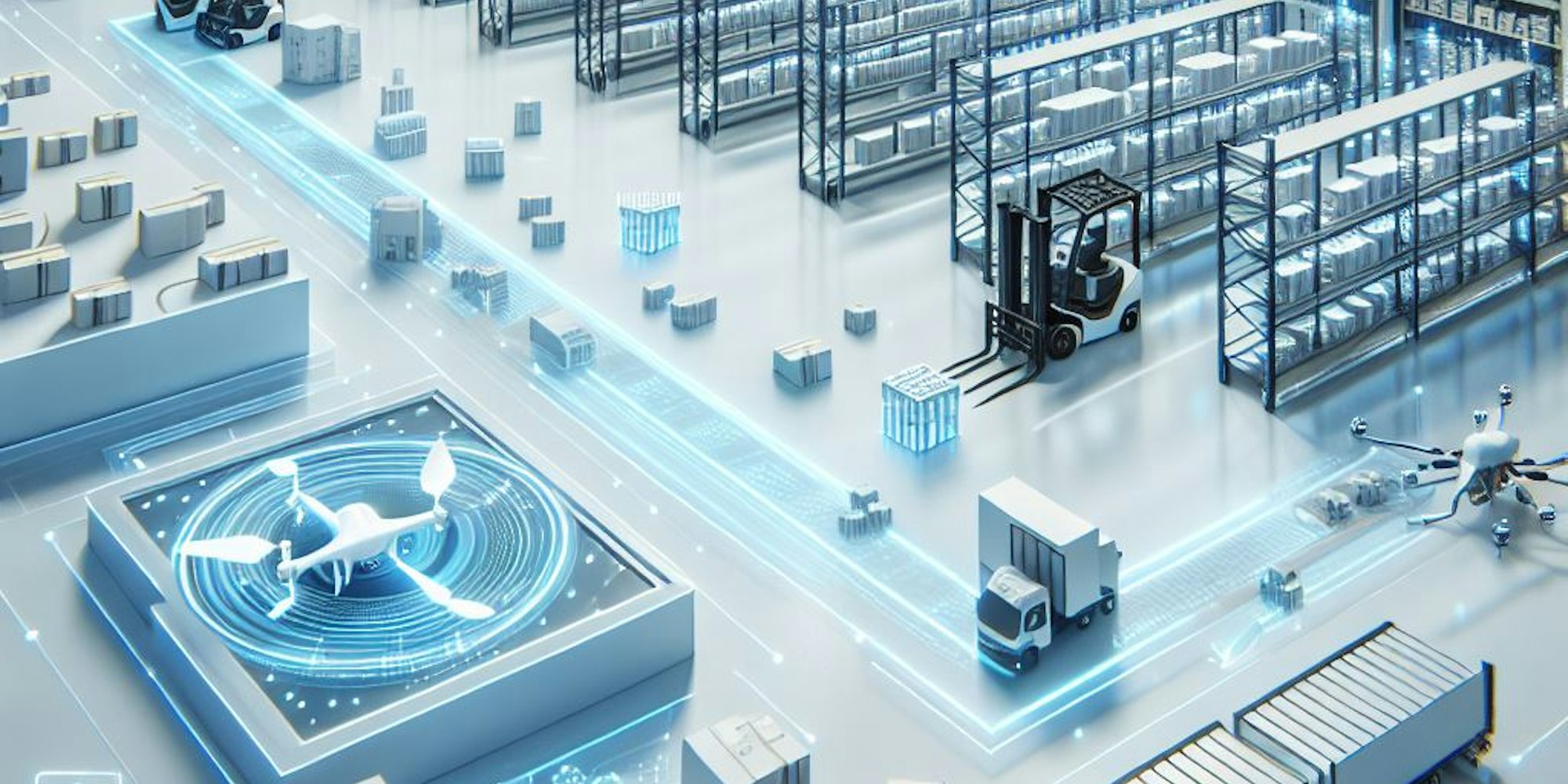
The logistics landscape is undergoing a significant transformation, driven by the evolution of Enterprise Resource Planning (ERP) systems. These systems have transcended their traditional role of basic resource management to become sophisticated, integrated platforms that power comprehensive supply chain solutions. As a result, understanding the potential of modern ERP systems is crucial for organizations to maintain a competitive advantage in an increasingly complex business environment. The key to success lies in embracing digital transformation and leveraging next-generation ERP systems to streamline logistics operations.
Current State and Evolution of Logistics ERP Systems
Modern ERP platforms have evolved to address the complexities of global logistics operations, leveraging cloud computing, real-time data processing, and intelligent automation. These advancements have enabled organizations to optimize their supply chain management, improve operational efficiency, and enhance customer experience. The integration of emerging technologies such as artificial intelligence, machine learning, and the Internet of Things (IoT) is further transforming the logistics landscape. As a result, organizations must adapt to these changes to remain competitive and responsive to evolving customer needs.
Benefits of Next-Generation Logistics ERP Systems
The benefits of implementing next-generation logistics ERP systems are numerous and significant. Some of the key advantages include:
- Enhanced Operational Efficiency: Next-generation ERP systems automate manual processes, reducing processing time by up to 30% and minimizing errors. Real-time tracking and monitoring capabilities enable organizations to optimize their supply chain operations and improve resource allocation.
- Data-Driven Decision Making: Advanced analytics and predictive modeling enable organizations to make informed decisions, optimize their supply chain, and mitigate risks. Real-time performance metrics and KPI tracking facilitate data-driven decision making, ensuring that organizations are always aligned with their business objectives.
- Customer Experience Enhancement: Next-generation ERP systems provide real-time order status visibility, integrated CRM capabilities, and personalized service delivery, resulting in improved customer satisfaction and loyalty.
Pros and Cons Analysis of Next-Generation Logistics ERP Systems
While next-generation logistics ERP systems offer numerous benefits, there are also potential drawbacks to consider. Some of the key pros and cons include:
- Seamless Integration: Next-generation ERP systems provide a unified platform for all logistics operations, enhancing cross-departmental collaboration and streamlining workflow management. However, implementation complexity can be a significant challenge, requiring extensive planning and resources.
- Scalability: Cloud-based next-generation ERP systems offer flexibility and scalability, enabling organizations to adjust their capacity and deploy solutions globally. However, initial investment costs can be high, and ongoing training and maintenance expenses must be factored into the overall cost of ownership.
- Real-time Visibility: Next-generation ERP systems provide end-to-end supply chain transparency, enabling organizations to optimize their operations and make informed decisions. However, training requirements can be extensive, and resistance to change may pose a challenge.
Use Cases and Real-World Applications
Next-generation logistics ERP systems have been successfully implemented in various industries, resulting in significant benefits and improvements. For example:
- A leading e-commerce company implemented an advanced ERP system, resulting in a 30% reduction in order processing time, 25% improvement in delivery accuracy, and 40% decrease in inventory holding costs.
- A global manufacturer optimized their supply chain through ERP implementation, achieving a 20% reduction in inventory costs, 35% improvement in production planning, and 15% decrease in material waste.
Future Outlook and Emerging Trends
The future of logistics ERP systems will be characterized by increased automation, enhanced intelligence, and improved sustainability features. Some of the emerging trends and technologies that will shape the logistics landscape include:
- AI and Machine Learning Integration: Automated decision-making systems, advanced predictive analytics, and intelligent resource optimization will become increasingly prevalent.
- IoT Enhancement: Real-time asset tracking, environmental monitoring, and automated inventory management will further optimize supply chain operations.
- Blockchain Integration: Enhanced security measures, transparent supply chain operations, and improved transaction verification will become increasingly important.
Implementation Recommendations for C-Suite Executives
To successfully implement next-generation logistics ERP systems, C-suite executives must develop a comprehensive strategy that addresses the following key areas:
- Strategic Planning: Align ERP implementation with business objectives, develop a change management strategy, and establish clear ROI metrics.
- Risk Management: Identify potential implementation risks, develop mitigation strategies, and create contingency plans.
- Resource Allocation: Budget appropriately for implementation, assign dedicated project teams, and plan for training resources.
Conclusion
In conclusion, the evolution of logistics ERP systems represents a fundamental shift in supply chain management capabilities. To remain competitive and responsive to evolving customer needs, organizations must adapt to these changes and leverage next-generation ERP systems to streamline their logistics operations. Take the first step towards transforming your logistics operations today and discover the benefits of next-generation ERP systems for yourself.